Please wait...
Understanding Recess Curtain Tracks
This entry was posted 26/05/2026
When planning curtains for a modern interior, the curtain track itself is often overlooked. Yet the way a track is installed can completely change the finished appearance of a room. Recess curtain tracks have become increasingly popular in contemporary homes, extensions and renovation projects because they allow curtains to appear as though they are flowing directly from the ceiling, without visible brackets or hardware interrupting the design.
For homeowners looking to achieve a cleaner architectural finish, recessed curtain tracks offer a discreet and highly practical solution that works equally well in living spaces, bedrooms and large glazed areas.
What Is a Recess Curtain Track?
A recess curtain track is designed to sit within a ceiling recess or plaster pocket so that the track itself is hidden from view. Instead of seeing brackets or a visible pole above the curtains, the fabric appears to emerge seamlessly from the ceiling line.
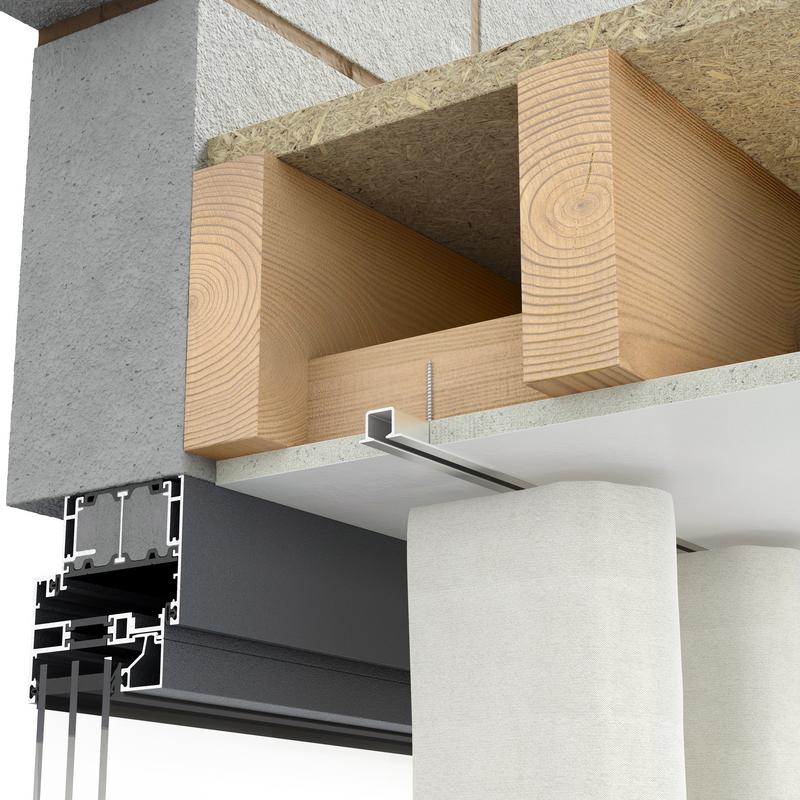
This style of installation has become particularly popular in homes with floor-to-ceiling glazing, bifold doors and minimalist interiors where clean lines and uncluttered finishes are an important part of the overall design.
Unlike traditional curtain poles or surface-mounted tracks, recessed systems are designed to blend into the structure of the room itself. The result is a softer, more streamlined appearance that can make windows feel taller and rooms feel more spacious.
Why Are Recess Curtain Tracks Becoming So Popular?
Interior trends have shifted towards simpler detailing and more integrated finishes. As glazing sizes increase and open-plan spaces become more common, many homeowners and designers are moving away from decorative poles in favour of concealed curtain systems.
Recess tracks are particularly effective in:
- Contemporary extensions
- New-build properties
- Apartments with large glazing
- Media walls and ceiling features
- Hotel-inspired interiors
- Smart home projects
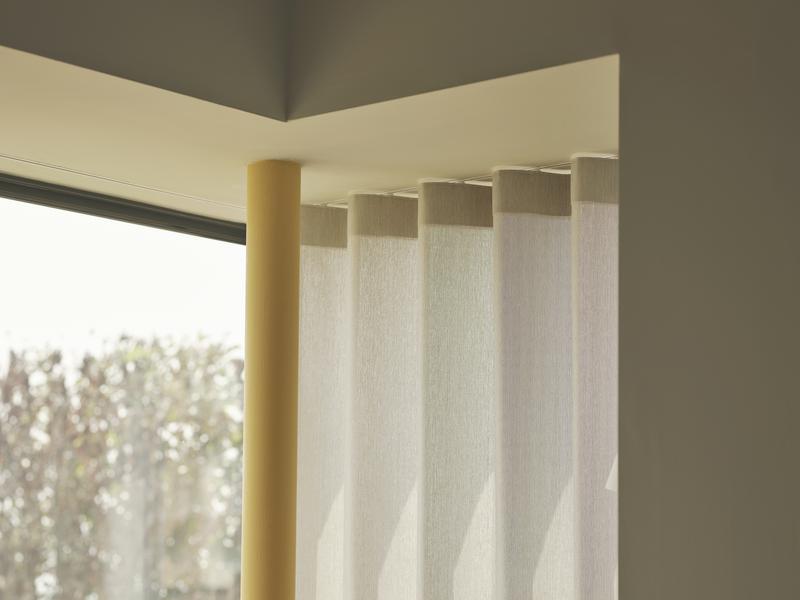
They also work exceptionally well with wave curtains, helping to create a continuous flowing curtain appearance without interruptions from visible hardware.
Another advantage is flexibility. Modern recessed systems are available as hand drawn, corded or motorised options, making them suitable for everything from lightweight bedroom curtains to large, heavy curtains covering expansive windows.
Recess Curtain Tracks vs Standard Curtain Tracks
Choosing between a recessed system and a traditional surface-mounted track often comes down to the overall look you want to achieve, as well as how early the curtain installation is being planned.
| Recess Curtain Track | Standard Curtain Track |
| Hidden within ceiling recess | Visible below ceiling |
| Minimalist appearance | More traditional look |
| Ideal for modern interiors | Easier for retrofit projects |
| Creates ceiling-to-floor effect | Hardware remains visible |
| Often paired with wave curtains | Compatible with many heading styles |
| Requires earlier planning | Simpler installation process |
For many projects, recessed systems are chosen because they allow the curtains themselves to become the visual focus rather than the hardware supporting them.
Choosing the Right Type of Recess System
Not every recessed track is the same, and the right option will depend on the curtain weight, window size and method of operation required.
Hand operated systems are often suitable for lightweight to medium-weight curtains in domestic settings where simplicity and minimal detailing are priorities.
Corded systems are commonly chosen for taller windows or installations where regular handling of the curtain fabric should be reduced. They can also be helpful where access to the curtains may be more difficult.
Motorised recessed curtain tracks have seen significant growth in recent years, particularly in smart homes and large glazing projects. Because the track is concealed within the ceiling, motorisation can be integrated discreetly while still delivering smooth and quiet operation.
For customers planning curved windows or bay installations, many recessed systems can also be professionally bent to suit the shape of the room. Made-to-measure manufacturing, professional bending services and excellent craftsmanship are especially important for achieving a clean and consistent finish in these more complex installations.
Planning a Recess Curtain Installation
One of the biggest differences with recessed curtain tracks is that they benefit from earlier planning. While traditional tracks can often be installed later in a project, recessed systems are usually considered during building or renovation stages.
Factors such as recess depth, plaster finish, curtain stack-back and ceiling support all need to be taken into account before installation begins. If motorisation is being considered, power access should also be planned early to avoid additional work later on.
Wave curtains may also require additional clearance within the recess to allow the fabric to move freely and maintain its uniform appearance.
Although recessed systems can sometimes be retrofitted into existing ceilings, they are generally easier to incorporate during extensions, renovations or new-build projects where ceiling construction is already underway.
Are Recess Curtain Tracks Worth It?
For customers looking to create a cleaner and more architectural curtain finish, recessed curtain tracks can make a significant difference to the overall appearance of a room. They combine discreet styling with smooth operation while allowing curtains to become part of the architecture rather than an added feature.
Whether used with hand drawn curtains, corded systems or fully motorised installations, recessed tracks continue to grow in popularity because they offer a practical solution without compromising on design.
For more complex windows, curved installations or large glazing projects, made-to-measure recessed curtain tracks with professional bending services can help achieve a more precise and polished result with the benefit of excellent craftsmanship throughout the finished installation.
This entry was posted on 26/05/2026